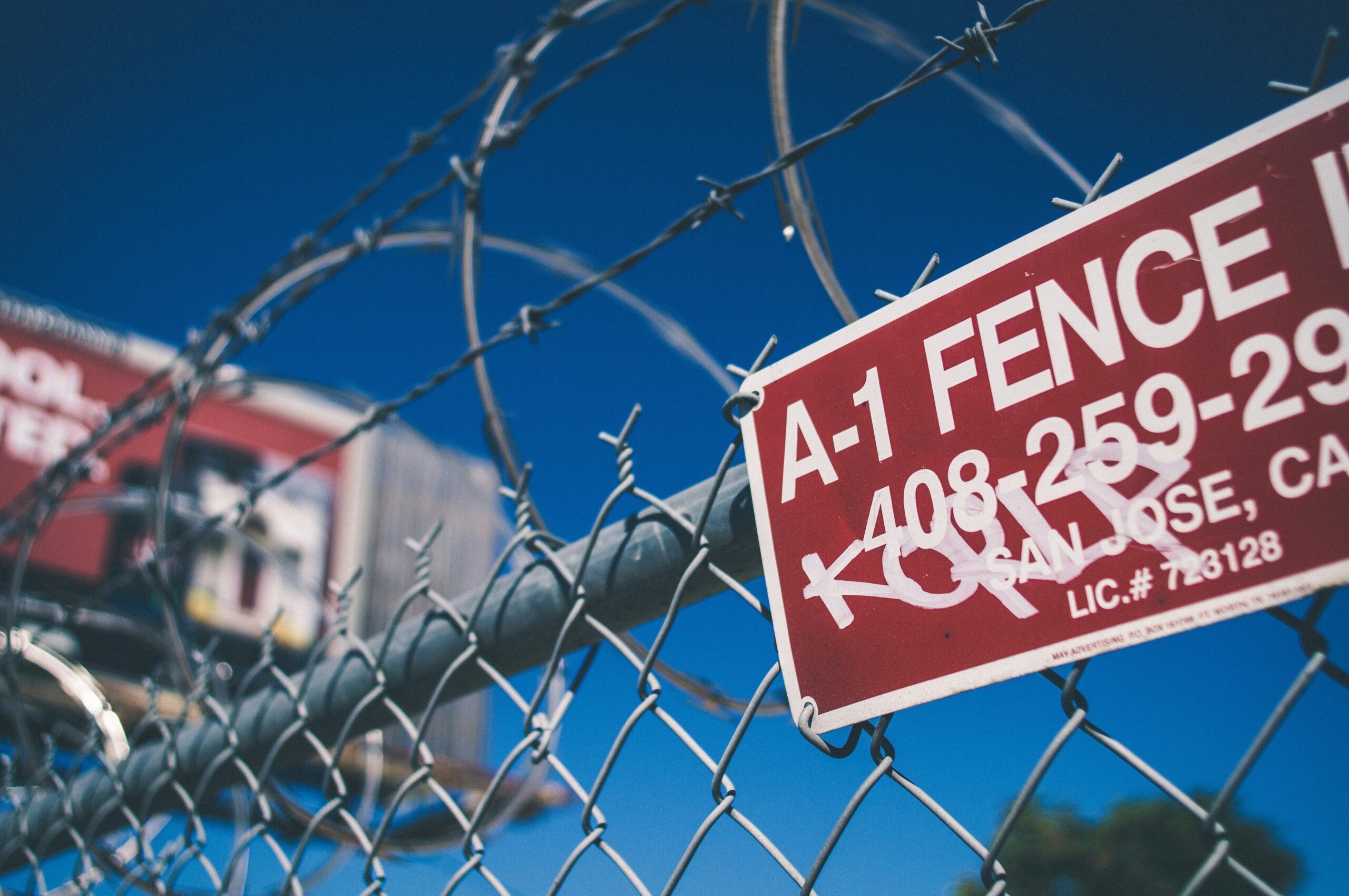
Understanding the Need for Fencing Services
The demand for fencing services has seen significant growth across various sectors, reflecting a range of needs and preferences among customers. In residential areas, individuals are increasingly seeking solutions that enhance security while maintaining aesthetic appeal. Fencing provides a physical barrier, deterring intruders and providing homeowners with a sense of safety and peace of mind. Additionally, homeowners often desire privacy from neighbors and passersby, further driving the need for effective fencing solutions.
In the commercial sector, businesses recognize the importance of security as well. Fencing can protect assets, deter theft, and establish clearly defined perimeters for employee safety and operational efficiency. Many commercial operations, including warehouses and retail spaces, utilize fencing to outline boundaries that are essential for maintaining order and security. Furthermore, well-designed fencing can also contribute positively to a company’s branding, providing an attractive and professional appearance.
The industrial sector has similar requirements, as many industries, including manufacturing and logistics, require robust fencing solutions to protect their facilities and workforce. Regulatory compliance often necessitates secure fencing measures to safeguard hazardous materials or sensitive environments. This sector can benefit significantly from customized solutions that address specific safety and operational needs while ensuring adherence to industry regulations.
Current market trends indicate an increasing awareness of the value that fencing services can add, including enhanced property delineation and aesthetic enhancement. As outdoor spaces gain prominence, more property owners are recognizing the dual benefits of functional and decorative fencing options. Potential profitability in this market is evident, as businesses capable of diversifying their offerings to include fencing services can tap into a broader client base, ultimately contributing to sustainable growth and enhanced customer satisfaction.
Types of Fencing Solutions to Offer
When considering the expansion into fencing services, there are several types of fencing solutions that business owners can offer to meet diverse customer needs. Each fencing style presents unique characteristics, materials, and applications that cater to specific requirements.
One popular option is wall fencing, which encompasses solid barriers made from materials like brick, stone, or concrete. Wall fencing is often preferred for its durability, security, and aesthetic appeal. It serves as an effective noise barrier and can enhance property value. Homeowners looking for privacy, especially in urban settings, may find wall fencing to be a primary choice.
Chain link fencing is another viable solution, known for its affordability and practicality. Typically manufactured from galvanized steel, this type of fencing provides a durable solution suitable for defining property boundaries or enclosing play areas. The transparent nature of chain link fencing makes it less obtrusive while still offering basic security features. Customers frequently appreciate its low maintenance requirements and ease of installation.
Metal fencing, often thought of in the context of wrought iron or aluminum, presents a blend of aesthetic appeal and strength. These fences not only provide robust security but also offer decorative styles that can enhance the overall look of a property. This option is well-suited for both residential and commercial applications, appealing to clients who value both form and function.
Concrete fencing is another noteworthy alternative, typically used for situations requiring substantial protection and privacy. Concrete panels are particularly robust and can be customized in various designs. This fencing type is commonly found in commercial settings or those requiring a more formidable presence, as it is capable of withstanding harsh environmental conditions.
By understanding the different fencing types, business owners can effectively position these services within their offerings, catering to specific customer preferences and project requirements.
Tips for Managing Fencing Projects
Managing fencing installation projects requires a systematic approach to ensure successful outcomes and satisfied clients. The first step in effective project management is meticulous project planning. This involves defining the scope of work, setting timelines, and allocating resources. A detailed plan helps in identifying potential challenges early and allows for the implementation of solutions before they escalate. Gaining a comprehensive understanding of the client’s needs and preferences is critical in this phase, as it lays the foundation for the entire project.
Sourcing materials is another crucial aspect of fencing project management. It is essential to establish relationships with reliable suppliers who can deliver high-quality materials within the required timeframe. Prioritize sourcing environmentally friendly options, if available, as sustainability becomes increasingly important to consumers. Additionally, maintaining an inventory of frequently used materials can help streamline the process and minimize delays.
Hiring and training skilled labor plays a significant role in the success of fencing installations. Conduct thorough interviews and background checks to ensure that the workforce possesses the necessary skills. Consider implementing training programs that focus on safety protocols, installation techniques, and customer service. A well-trained team not only enhances the quality of the installations but also contributes to a positive consumer experience.
Compliance with local regulations and building codes is paramount in fencing projects. Before commencing any installation, it is vital to verify that all guidelines are met to avoid potential legal issues that could arise from non-compliance. Informing clients about these regulations can also demonstrate professionalism and build trust.
Providing excellent customer service throughout the project is essential for cultivating lasting relationships. Maintaining open lines of communication, addressing any concerns promptly, and offering post-installation support can significantly enhance customer satisfaction. Quality control during the installation process cannot be overlooked, and regular inspections ensure that the work meets both client expectations and company standards. Adhering to these management tips can create a robust framework for fencing projects, ensuring success and paving the way for repeat business.